
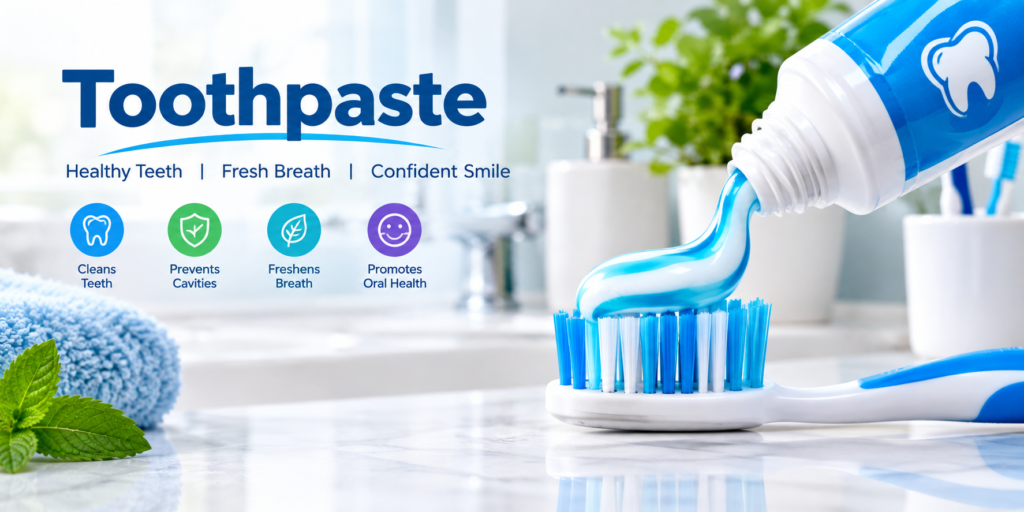
Toothpaste is an essential part of everyday oral hygiene. It helps remove food particles, clean teeth, control plaque, and protect against tooth decay. Although brushing is a simple daily habit, choosing the right toothpaste can make a meaningful difference to your oral health.
There are many toothpaste options available today. Some are designed to prevent cavities, while others help with tooth sensitivity, surface stains, gum care, or fresh breath. Understanding these differences makes it easier to choose a product that matches your needs.
Good oral care involves more than choosing a popular brand. Regular brushing, cleaning between your teeth, maintaining a balanced diet, and visiting a dentist when needed are also important.
This guide explains how toothpaste works, which ingredients matter, what types are available, and how to use it correctly for a cleaner, healthier smile.
What Is Toothpaste?
Toothpaste is a cleaning product used with a toothbrush to remove plaque, food debris, and surface stains from teeth. It usually comes in a paste or gel, although tablets and powders are also available.
Modern toothpaste contains ingredients that help clean the mouth and support dental health. Depending on the formula, it may also contain fluoride, flavoring agents, mild abrasives, and ingredients that reduce sensitivity.
Toothpaste is not a replacement for professional dental treatment. However, using an appropriate product regularly can help prevent common dental problems and maintain a healthy mouth.
Why Is Toothpaste Important?
Teeth are exposed to food, drinks, and bacteria throughout the day. Plaque can build up on their surfaces, and bacteria in plaque produce acids that contribute to tooth decay.
Using fluoride toothpaste helps strengthen tooth enamel and makes it more resistant to acid attacks. Brushing also removes plaque before it has an opportunity to accumulate excessively.
A consistent oral-care routine can help reduce the risk of cavities, support gum health, and keep your mouth feeling clean.
Main Benefits of Toothpaste
Toothpaste offers several benefits when it is used correctly as part of a regular oral hygiene routine.
Helps Prevent Tooth Decay
One of the most important benefits of fluoride toothpaste is its ability to help prevent cavities. Fluoride supports the remineralization of enamel, helping repair early mineral loss before it develops into more serious damage.
Brushing twice daily with an appropriate fluoride toothpaste is a widely recommended way to protect teeth. People with a higher risk of cavities may need additional guidance from a dental professional.
Removes Plaque and Food Particles
Plaque is a sticky film that forms on teeth. If it is not removed regularly, it can contribute to cavities, gum inflammation, and tartar formation.
Toothpaste works together with the mechanical action of brushing to remove plaque and food debris. A soft-bristled toothbrush and gentle technique help clean teeth without unnecessary irritation.
https://magazineworker.com/technology/
Supports Fresh Breath
Bad breath can result from food particles, bacteria, dry mouth, certain foods, or dental problems. Toothpaste helps clean the mouth and may temporarily improve breath by removing debris and using flavoring ingredients.
However, persistent bad breath should not be treated only with mint-flavored products. If the problem continues, a dentist can check for gum disease, cavities, dry mouth, or other possible causes.
Helps Protect Tooth Enamel
Enamel is the hard outer layer of a tooth. Although it is the hardest substance in the human body, it can lose minerals through repeated exposure to acids.
Fluoride toothpaste helps strengthen enamel and supports the repair of early mineral loss. Avoiding frequent sugary snacks and acidic drinks can also help protect teeth.
Helps Manage Tooth Sensitivity
Some toothpaste formulas are specifically designed for sensitive teeth. They contain ingredients that help reduce sensitivity by blocking pathways through the tooth or calming the response of the nerves.
These products may help people who experience discomfort from cold drinks, hot foods, or sweet items. If sensitivity is severe, persistent, or limited to one tooth, seek dental advice because an underlying problem may require treatment.
https://www.mayoclinic.org/healthy-lifestyle/adult-health/in-depth/dental/art-20047475
https://magazineworker.com/kyle-kennedy/
Different Types of Toothpaste
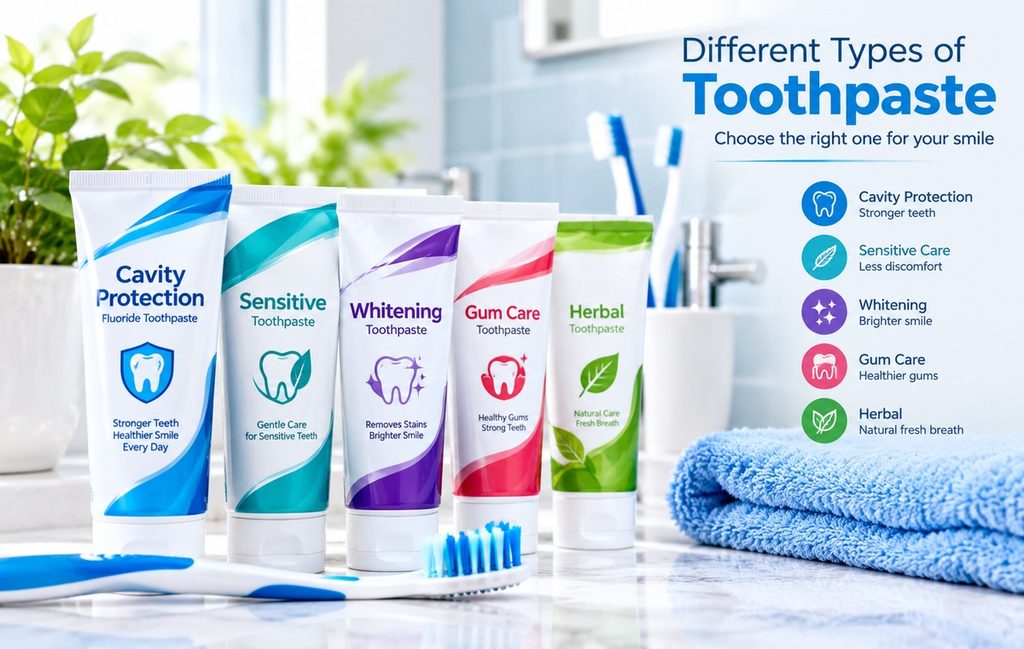
Not every toothpaste is designed for the same purpose. Understanding the main varieties can help you select a formula that suits your oral health needs.
Fluoride Toothpaste
Fluoride toothpaste is a common choice for everyday cavity prevention. It helps strengthen enamel and reduces the risk of tooth decay when used as directed.
Many dental organizations recommend fluoride toothpaste for routine oral care. The appropriate amount and fluoride concentration can depend on age, dental needs, and local guidance.
Whitening Toothpaste
Whitening toothpaste is designed mainly to remove surface stains caused by foods, beverages, and tobacco. Many formulas use mild abrasives or other ingredients to improve the appearance of stained teeth.
Whitening toothpaste generally cannot change the natural color of teeth as much as professional whitening treatments can. Choose a reputable product and avoid aggressive scrubbing, which may damage teeth or irritate gums.
Toothpaste for Sensitive Teeth
Sensitive toothpaste is made for people who experience discomfort when eating or drinking certain foods. Ingredients such as potassium nitrate or specific desensitizing compounds may help reduce symptoms with regular use.
Follow the product instructions and allow time for the formula to work. If the discomfort does not improve, consult a dentist rather than continually changing products.
Gum Care Toothpaste
Some formulas are marketed to support gum health and help control plaque. Their effectiveness depends on the ingredients and how they are used alongside proper brushing and interdental cleaning.
Bleeding gums can be a sign of inflammation or gum disease. Toothpaste alone may not solve the problem, so persistent bleeding or swelling should be assessed by a dental professional.
Children’s Toothpaste
Children’s toothpaste is formulated and marketed with younger users in mind. Flavor, packaging, and fluoride concentration may vary between products.
Parents should select a product suitable for the child’s age and follow local dental guidance on how much to use. Young children should be supervised during brushing to help them spit out the toothpaste rather than swallow it.
Herbal and Natural Toothpaste
Herbal toothpaste may contain ingredients such as mint, plant extracts, or other naturally derived substances. Some people prefer these formulas because of their flavor or ingredient choices.
However, the word “natural” does not automatically mean a product is safer or more effective. Check the ingredients and choose a formula that provides appropriate cavity protection, including fluoride when recommended.
Key Ingredients Found in Toothpaste
The ingredients in toothpaste have different functions. Some clean the teeth, others improve texture and flavor, and some provide specific protective benefits.
| Ingredient | Main purpose |
|---|---|
| Fluoride | Helps prevent cavities and strengthen enamel |
| Mild abrasives | Help remove plaque and surface stains |
| Humectants | Keep the product from drying out |
| Detergents | Help spread the formula and loosen debris |
| Flavoring agents | Improve taste and freshness |
| Binders and thickeners | Maintain the product’s consistency |
| Desensitizing ingredients | Help reduce tooth sensitivity in suitable formulas |
The exact formulation varies by brand and product type. Read the label carefully if you have allergies, sensitivities, or specific dental requirements.
Why Does Fluoride Matter?
Fluoride helps protect teeth by supporting remineralization and making enamel more resistant to acids. It is one of the most extensively studied ingredients used for cavity prevention.
For most people, an age-appropriate fluoride toothpaste is a practical part of daily oral care. Children need supervision to reduce swallowing, and special dental conditions may require individualized advice.
A fluoride-free product may be a personal preference, but it may not provide the same level of cavity protection. Discuss alternatives with your dentist if you have concerns.
How to Choose the Right Toothpaste
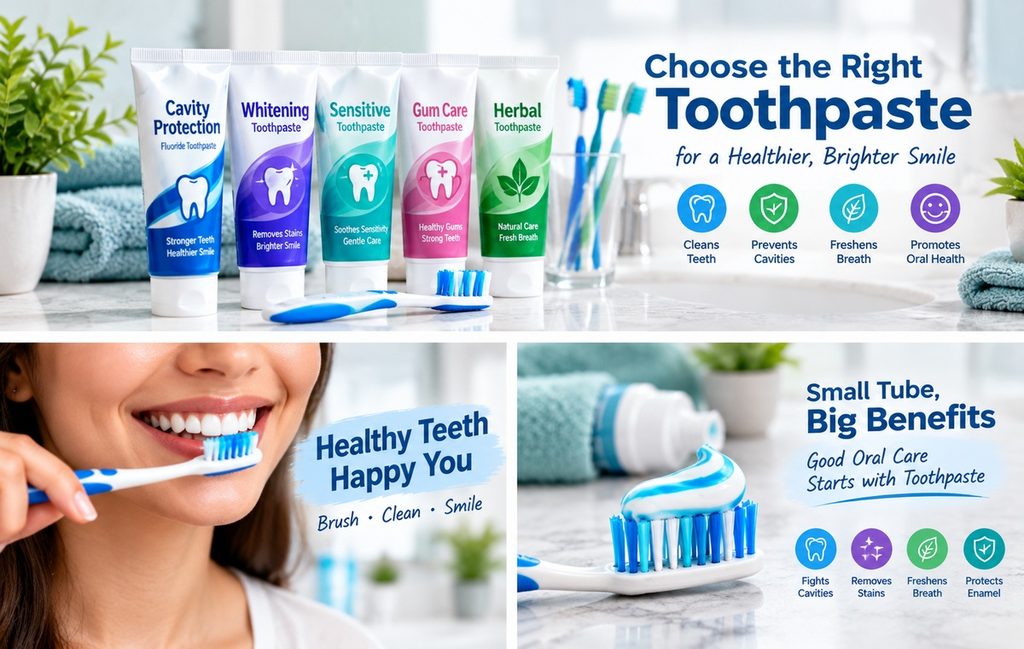
Choosing toothpaste becomes easier when you focus on your actual dental needs rather than advertising claims.
Start by considering whether you mainly need cavity protection, help with sensitivity, stain removal, or support for another specific concern. For general everyday care, fluoride toothpaste is a common starting point.
Check the packaging for active ingredients, age recommendations, and directions. If you have braces, frequent cavities, gum problems, or ongoing sensitivity, ask your dentist which formula is appropriate.
Price and brand recognition do not necessarily determine effectiveness. A suitable, properly used product is more useful than an expensive formula that does not match your needs.
https://www.nhs.uk/live-well/healthy-teeth-and-gums/how-to-keep-your-teeth-clean/
Toothpaste Selection Guide
| Your main concern | What to look for |
|---|---|
| Everyday cavity prevention | Fluoride toothpaste |
| Sensitive teeth | A recognized desensitizing formula |
| Surface stains | A reputable whitening toothpaste |
| Children’s oral care | An age-appropriate formula and supervised use |
| Gum concerns | Plaque-control support and professional dental advice |
| Ingredient sensitivities | A product with a suitable ingredient list |
No toothpaste can replace a complete oral hygiene routine. Choose a formula that fits your needs and use it consistently.
How to Use Toothpaste Correctly
Using toothpaste properly is just as important as selecting the right product. Good technique helps clean all tooth surfaces while reducing unnecessary pressure on teeth and gums.
Brush Twice Daily
Brush your teeth twice a day, including before bedtime, using a soft-bristled toothbrush and fluoride toothpaste when appropriate.
Spend about two minutes brushing. Clean the outer, inner, and chewing surfaces of your teeth, and use gentle movements along the gumline.
Use the Appropriate Amount
Adults generally need only a small amount of toothpaste, often around a pea-sized amount. Young children need smaller amounts according to their age and dental guidance.
Using a large amount does not automatically make brushing more effective. Follow the product directions and supervise children to help prevent swallowing.
Spit Out the Toothpaste
After brushing, spit out the excess toothpaste. Avoid swallowing it.
Many dental guidelines advise against immediately rinsing thoroughly with water because rinsing can wash away some of the remaining fluoride. Follow your dentist’s advice, especially if you have a specific dental treatment plan.
Clean Between Your Teeth
Toothpaste and a toothbrush cannot effectively reach every space between teeth. Use dental floss or another suitable interdental cleaner to remove plaque and debris from these areas.
Cleaning between teeth complements brushing and helps support gum health.
Common Toothpaste Mistakes to Avoid
Small mistakes can reduce the benefits of an otherwise good oral-care routine.
One common mistake is brushing too hard. Excessive pressure can irritate gums and contribute to wear, so use a soft brush and gentle technique.
Another mistake is choosing a product based only on its whitening claims. Stronger whitening is not always better, particularly for people with sensitivity.
Do not use toothpaste as a substitute for dental treatment. A cavity, broken tooth, or ongoing gum problem may require professional care.
Finally, avoid swallowing toothpaste, especially when supervising young children. Store products safely and follow the age-specific instructions on the packaging.
Toothpaste and Overall Oral Health
Healthy teeth depend on more than toothpaste alone. Daily habits, diet, saliva, genetics, medications, and access to dental care can all influence oral health.
Limiting frequent sugary snacks and drinks can help reduce acid attacks on teeth. Drinking water and maintaining a balanced diet also support general health.
Regular dental checkups can identify problems early. A dentist can recommend suitable toothpaste, assess gum health, and provide advice tailored to your needs.
A simple routine followed consistently is often more useful than repeatedly switching products in search of instant results.
Frequently Asked Questions About Toothpaste
What is toothpaste used for?
Toothpaste helps clean teeth, remove plaque, improve breath, and, when it contains fluoride, help prevent cavities.
Which toothpaste is best for daily use?
For many people, fluoride toothpaste is a good everyday choice. The best formula depends on age, sensitivity, and individual dental needs.
How often should I use toothpaste?
Brush twice daily with an appropriate toothpaste, including before bedtime. Follow your dentist’s recommendations if you have special needs
Does whitening toothpaste whiten teeth?
Whitening toothpaste can help remove surface stains, but it usually cannot change the natural color of teeth as much as professional whitening treatments.
Is fluoride toothpaste safe?
Fluoride toothpaste is considered safe and effective for most people when used as directed. Children should use an age-appropriate amount under adult supervision.
https://www.ada.org/resources/ada-library/oral-health-topics/toothpastes
Final Thoughts
Toothpaste is a simple but valuable part of everyday oral care. Choosing the right formula, brushing properly, and maintaining consistent habits can help protect teeth, support gum health, and keep your breath fresh.
Build a Better Oral Care Routine
Make toothpaste part of a complete daily routine that includes brushing twice a day, cleaning between teeth, eating a balanced diet, and visiting your dentist when needed. Small, consistent habits can support a healthier smile over time