
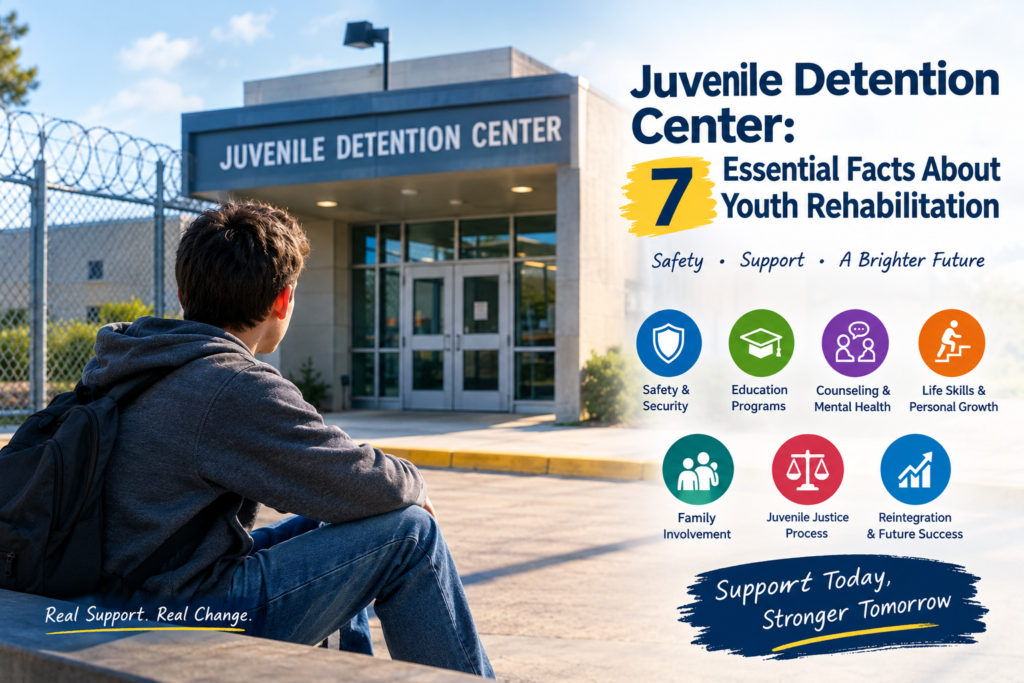
A juvenile detention center is an important part of the youth justice system. It provides a secure environment for young people who are awaiting court decisions or who need temporary placement under a legal order. These facilities are designed to maintain safety while addressing the educational, emotional, and behavioral needs of young people.
The subject of a juvenile detention center is important for parents, teachers, students, policymakers, and communities. Understanding how these facilities work helps people look beyond punishment and recognize the importance of accountability, rehabilitation, and positive change.
A well-managed juvenile detention center should help young people understand their decisions, develop healthier habits, continue their education, and prepare for life outside the facility. However, the quality of care and the available services can vary significantly between locations.
What Is a Juvenile Detention Center?
A juvenile detention center is a secure facility that temporarily houses young people involved in the juvenile justice system. Depending on local law and individual circumstances, a young person may be held there while waiting for a court hearing or another legal decision.
Unlike an adult correctional facility, a juvenile detention center operates within a system designed to recognize the developmental needs of children and teenagers. Its approach should consider education, personal growth, family relationships, and opportunities for rehabilitation.
The exact rules, age limits, and procedures differ between countries and jurisdictions. In the United States, for example, juvenile justice is generally handled through a separate legal system with specialized procedures for minors.

Why Are Young People Placed in Juvenile Detention?
A young person may enter a juvenile detention center after an arrest or referral to the juvenile court. The decision to detain someone generally depends on the circumstances of the case, legal requirements, public safety concerns, and the risk of failing to appear in court.
Detention is not automatically required whenever a teenager is accused of breaking the law. Depending on local rules and the situation, authorities may consider supervision, community-based programs, family support, or other alternatives.
The central question should be whether secure detention is necessary and appropriate for that particular young person. Decisions should be made according to the law, with attention to individual circumstances rather than assumptions about a teenager’s background.
The Main Purpose of a Juvenile Detention Center
The primary purpose of a juvenile detention center is to maintain safety while a young person’s legal case progresses or a court-ordered placement is carried out. Secure supervision may be necessary in certain situations, but it should not be confused with the complete goal of juvenile justice.
Education, counseling, structured activities, and personal development can help young people address the issues connected with their behavior. These services are especially valuable when they respond to a teenager’s actual needs rather than relying on a single approach for everyone.
A juvenile detention center should also prepare young people for a successful return to their families, schools, and communities whenever appropriate. Effective rehabilitation considers what happens after release, not only what happens inside the facility.
How Does a Juvenile Detention Center Work?
The process usually begins when law enforcement or another authorized agency refers a young person to the juvenile justice system. The procedures that follow depend on local laws, the seriousness of the allegation, and the decisions made by the relevant authorities.
A juvenile detention center generally has established rules for admission, supervision, education, health care, communication, and release. Staff members are responsible for applying these rules while protecting the safety and dignity of the young people in their care.
Families may need to communicate with court officials, legal representatives, or facility staff to understand the situation. Reliable information is essential because detention procedures can differ considerably between jurisdictions.
Intake and Initial Assessment
During intake, authorized staff collect relevant information and review the circumstances surrounding the young person’s placement. They may verify identity, examine court documents, contact appropriate family members, and explain the facility’s rules.
Staff may also assess immediate health concerns, emotional needs, educational background, and potential safety risks. These assessments help determine what support a young person may require while staying at the juvenile detention center.
An intake assessment should be handled respectfully and confidentially, in accordance with applicable laws. Its purpose is to identify needs and support safe placement, not to label a teenager permanently because of an allegation or past mistake.
Daily Routine and Supervision
Life inside a juvenile detention center usually follows a structured schedule. Depending on the facility, the day may include meals, classes, counseling sessions, recreation, personal time, and scheduled communication with approved family members.
Predictable routines can help young people develop time-management skills and understand expectations. Clear rules are important, but they should be enforced consistently and fairly.
The environment should also provide reasonable opportunities for rest, exercise, personal hygiene, and access to health services. Staff training and appropriate supervision are essential to maintaining a safe setting.

Court Hearings and Placement Decisions
A juvenile detention center may hold a young person temporarily while the court considers the case. The court process can include hearings, legal representation, review of the allegations, and consideration of the young person’s circumstances.
A detention decision is not the same as a final finding that the young person committed an offense. Legal terminology and procedures vary, so families should seek guidance from a qualified local legal professional when they need case-specific advice.
After the relevant proceedings, the court may order release, supervision, a community-based intervention, or another placement permitted by law. The outcome depends on the evidence, legal standards, and individual needs involved.
Programs and Services Offered by a Juvenile Detention Center
Rehabilitation programs are a major part of a youth-focused justice system. When available and properly delivered, these services can help teenagers develop practical skills, improve their decision-making, and address challenges that may contribute to harmful behavior.
Not every juvenile detention center provides the same range of services. Some have on-site teachers, counselors, and health professionals, while others rely on outside agencies or referrals.
The most useful programs are those that respond to the needs of individual young people and support their long-term development.
Education and Academic Support
Education helps young people maintain progress toward their academic goals during a period of detention. Many facilities provide classroom instruction, educational assessments, learning materials, or arrangements for continuing schoolwork.
Keeping up with education can reduce disruption when a young person returns to school. Teachers may need to coordinate with the student’s previous school to understand completed coursework and identify learning gaps.
Educational support should be appropriate to the student’s age, ability, and circumstances. Access to learning is not simply a daily activity; it can also help teenagers build confidence and imagine a future beyond their current difficulties.
Counseling and Emotional Support
Counseling can help young people explore their emotions, recognize patterns in their behavior, and develop healthier ways to respond to difficult situations. Depending on individual needs, support may involve individual sessions, group activities, or family counseling.
Some teenagers involved in the juvenile justice system have experienced family conflict, trauma, bullying, instability, or other challenges. These experiences do not excuse harmful behavior, but understanding them can help professionals provide more effective support.
Qualified professionals should deliver appropriate mental health services, with privacy protected according to the applicable rules. A supportive approach encourages responsibility while helping young people learn constructive ways to manage stress and relationships.
Life Skills and Personal Development
Life skills programs teach practical abilities that young people can use after leaving a juvenile detention center. Topics may include communication, problem-solving, conflict resolution, decision-making, and managing everyday responsibilities.
These skills can be particularly useful for teenagers who have struggled with peer pressure or impulsive decisions. Practicing respectful communication and considering consequences can improve how young people respond to future challenges.
Personal development programs may also introduce goal-setting, teamwork, and basic financial awareness. Their value depends on whether young people can apply what they learn in real situations after returning to their communities.
Recreation, Sports, and Creative Activities
Recreation gives young people opportunities to stay active, cooperate with others, and develop interests beyond their legal circumstances. Depending on facility rules, activities may include supervised sports, art, reading, music, and other structured hobbies.
Creative activities can offer a constructive way to express ideas and build confidence. Team-based recreation may also encourage patience, cooperation, and respect for shared rules.
These activities should complement education and counseling rather than replace them. A balanced program recognizes that physical well-being, social development, and emotional support are all important parts of healthy adolescent development.
Common Programs in a Juvenile Detention Center
The following table summarizes common services and their potential benefits. Availability varies by facility, local resources, and individual circumstances.
| Program | Potential benefit |
|---|---|
| Education | Supports academic progress and future study |
| Counseling | Develops emotional awareness and coping skills |
| Family services | Encourages healthier communication and support |
| Life skills training | Builds problem-solving and decision-making abilities |
| Recreation and arts | Encourages cooperation and constructive interests |
| Career preparation | Introduces employment skills and future opportunities |
| Substance-use support | Provides appropriate help when a young person needs it |
| Reentry planning | Helps coordinate the transition back into the community |
These programs are most useful when they are coordinated rather than treated as separate activities. For example, an education plan may work better when teachers, family members, and relevant support professionals understand the young person’s needs and goals.
The purpose is to give teenagers practical tools for making better decisions and managing future responsibilities.
The Impact of a Juvenile Detention Center on Young People
A juvenile detention center can affect many parts of a teenager’s life, including education, friendships, family relationships, and emotional well-being. The impact depends on the length and conditions of detention, the services available, and the support a young person receives.
Some young people may benefit from a structured environment and access to services they previously lacked. Others may experience stress, isolation, disrupted schooling, or difficulty reconnecting with their communities after release.
For this reason, detention should not be considered a guaranteed solution to youth offending. The quality of the environment and the availability of effective alternatives matter when evaluating whether a placement is appropriate.
Positive Opportunities for Change
A well-run juvenile detention center can provide a stable daily routine, access to education, and opportunities to develop healthier habits. Young people may receive guidance from trained adults who help them understand the consequences of their actions.
Structured programs can also help teenagers identify personal goals and build skills that support future success. Progress may include better communication, improved school participation, and a greater understanding of responsibility.
However, positive change is not automatic. It requires qualified staff, suitable programs, consistent support, and a realistic plan for continuing progress after release.
Emotional and Social Challenges
Being separated from family, friends, and familiar surroundings can be difficult for a teenager. Young people may feel worried about their court cases, education, relationships, or future opportunities.
A juvenile detention center should recognize these concerns and provide appropriate emotional support. Regular contact with approved family members, access to qualified professionals, and respectful treatment can help young people manage the experience.
Staff should also pay attention to bullying, intimidation, discrimination, and other safety concerns. A secure environment should protect young people from harm while ensuring that complaints are taken seriously.

Effects on Education and Future Opportunities
Time spent in detention may interrupt a young person’s education, particularly when school credits, learning records, or teaching arrangements are not properly coordinated. Returning to school can become harder if the teenager falls behind or experiences stigma.
A thoughtful juvenile detention center should plan for educational continuity from the beginning of a placement. This may involve identifying learning needs, coordinating with schools, and arranging appropriate support for the transition back to the classroom.
Future opportunities also depend on what happens after release. Mentoring, vocational education, family support, and access to community services can help young people continue their development and work toward realistic goals.
Challenges and Concerns Surrounding Juvenile Detention
Although a juvenile detention center can serve a necessary legal purpose, secure detention also raises important questions about safety, fairness, cost, and long-term outcomes. Policymakers and communities must consider whether each placement is necessary and whether the services provided actually meet young people’s needs.
The goal should be to protect the public without creating unnecessary barriers to a teenager’s future. This requires careful decisions, appropriate oversight, and evidence-informed policies.
Safety and Quality of Care
The safety of young people inside a juvenile detention center depends on staff training, supervision, facility conditions, and effective reporting procedures. Policies should clearly address emergencies, complaints, discipline, and protection from abuse.
Young people should be treated with dignity regardless of the allegations against them. Staff need appropriate training in adolescent development, de-escalation, communication, and recognizing signs of distress.
Independent oversight and clear accountability procedures can help identify problems and improve standards. When a facility fails to protect the young people in its care, meaningful investigation and corrective action are essential.
The Importance of Fair Treatment
Fairness is central to an effective juvenile justice system. A teenager’s background, financial circumstances, disability, or access to family support should not become an unfair basis for how their case is handled.
Legal representation, understandable information about proceedings, and appropriate opportunities to raise concerns help protect young people’s rights. Procedures must follow the laws of the relevant jurisdiction.
A juvenile detention center should also avoid treating every young person as though they have identical needs or risks. Individual assessment allows decisions to reflect the actual circumstances of each case.
Why Detention Is Not Always the Best Option
Secure detention can have unintended consequences, including disrupted education, reduced family contact, and challenges with community reintegration. Research reviewed by the U.S. Office of Juvenile Justice and Delinquency Prevention discusses these concerns and supports considering suitable alternatives when public safety permits.
OJJDP
+1
Alternatives may include supervised release, probation, family-based interventions, community counseling, or other appropriate services. The right option depends on legal requirements, individual needs, and the circumstances of the case.
Using the least restrictive suitable option can help young people remain connected to their families, schools, and communities. It can also allow support to be delivered in the environment where teenagers need to practice their skills.
The Role of Families in Youth Rehabilitation
Families can play an important role in helping a young person move forward after involvement with the juvenile justice system. Supportive relationships may encourage teenagers to attend school, follow agreed rules, and seek help when they encounter difficulties.
A juvenile detention center should provide clear information about permitted communication, visits, and family participation. The exact arrangements depend on facility policies, court orders, and local laws.
Family involvement should be handled thoughtfully, especially when relationships are strained or there are concerns about safety. In some circumstances, another trusted adult or qualified professional may be better placed to provide support.
https://ojjdp.ojp.gov/alternatives-detention-and-confinement?utm_source=chatgpt.com
Preparing for a Successful Return Home
Planning for release should begin before the young person leaves the facility. Families and relevant professionals may need to coordinate school enrollment, transportation, appointments, supervision requirements, and access to community programs.
A clear plan helps reduce uncertainty and gives teenagers practical steps to follow. It should identify the services available, the responsibilities expected of the young person, and the people who can provide guidance.
Reintegration is more effective when support continues after release. A juvenile detention center should, where resources and local arrangements permit, help connect young people with appropriate services rather than leaving them to navigate every challenge alone.

How Juvenile Detention Centers Can Improve
Improving a juvenile detention center requires more than enforcing rules. Facilities need well-trained staff, suitable educational and health services, clear standards, and regular evaluation of their programs.
Administrators should examine whether young people are safe, whether their educational needs are being met, and whether they receive appropriate preparation for release. Feedback from families, young people, staff, and independent reviewers can help identify areas for improvement.
https://ojjdp.ojp.gov/?utm_source=chatgpt.com
Investing in Trained Staff
Staff members influence the daily experience of young people in detention. Their ability to communicate calmly, respond to conflict, and recognize individual needs can affect both safety and rehabilitation.
Training should cover adolescent development, safeguarding, cultural awareness, professional boundaries, and appropriate responses to challenging behavior. Staff also need clear procedures for reporting concerns and requesting specialist support.
A respectful workplace matters too. Employees who receive suitable supervision and support are better positioned to maintain consistent standards and respond professionally to stressful situations.
Measuring Outcomes Instead of Relying on Assumptions
A facility should not measure success only by whether young people follow rules while inside. Important outcomes may include educational progress, access to needed services, successful return to school, and reduced further involvement with the justice system.
Evaluations should use reliable information and consider the differences between individual cases. A single outcome cannot fully explain whether a program is effective, and results should be interpreted carefully.
The U.S. Office of Juvenile Justice and Delinquency Prevention provides resources on youth justice programs, prevention, and community-based support that can help professionals explore evidence-informed approaches.
OJJDP
+1
Juvenile Detention Center vs. Juvenile Correctional Facility
These terms are sometimes used interchangeably in everyday conversation, but they can describe different stages or types of placement. The exact definitions vary by jurisdiction.
| Feature | Juvenile detention center | Juvenile correctional facility |
|---|---|---|
| Common purpose | Temporary secure custody | Longer-term placement or treatment following a court decision |
| Typical legal stage | Often while a case is pending | Often after a court has made a placement decision |
| Main responsibilities | Supervision, safety, and access to basic services | Supervision, rehabilitation, and preparation for release |
| Length of stay | Often shorter, but varies | May be longer, depending on the order and local law |
| Available programs | Varies by facility | Varies by facility and placement plan |
This comparison is a general guide, not a universal legal definition. Families should confirm the terminology and procedures used by their local juvenile justice system.
Understanding Youth Rights and Responsibilities
Young people in a juvenile detention center retain important rights, although certain activities may be restricted by law, court orders, or reasonable safety rules. The specific protections available depend on the jurisdiction and circumstances.
These protections may concern access to legal representation, education, appropriate health care, family communication, privacy, and protection from mistreatment. Facility rules should be explained in language young people can understand.
Responsibilities matter as well. Teenagers may be expected to follow reasonable safety rules, participate in scheduled activities, respect others, and comply with applicable court orders. Accountability should be clear, proportionate, and consistent with legal protections.
In the United States, the Office of Juvenile Justice and Delinquency Prevention explains the distinct role of the juvenile justice system and the importance of responding to young people in developmentally appropriate ways.
OJJDP
+1
https://magazineworker.com/pumas-tigres/
Frequently Asked Questions About a Juvenile Detention Center
What is a juvenile detention center?
A juvenile detention center is a secure facility for young people involved in the juvenile justice system. It may provide temporary custody, supervision, education, and support while a legal case is pending.
What age group can be placed in a juvenile detention center?
The age range depends on local laws and the jurisdiction. In many U.S. jurisdictions, the juvenile justice system primarily serves minors, but upper age limits and exceptions vary.
How long does someone stay in a juvenile detention center?
The length of stay depends on the court decision, the circumstances of the case, and local law. Some placements are brief, while other situations may involve a longer period of custody.
Can teenagers continue their education in a juvenile detention center?
Yes, many facilities provide educational instruction or arrangements for continuing schoolwork. The availability of classes, qualifications, and academic credits varies between facilities
Do juvenile detention centers provide counseling?
Many facilities offer counseling or referrals to mental health professionals. The type and frequency of services depend on staffing, available resources, and each young person’s assessed needs.
Final Thoughts
A juvenile detention center is more than a secure building; it is part of a wider system responsible for protecting communities and responding appropriately to youth offending. Fair treatment, education, effective rehabilitation, and continued family and community support can help young people move toward a more constructive future.
A Better Future Through Youth Rehabilitation
The most effective approach balances accountability with the opportunity to learn and change. When young people receive appropriate support and meaningful opportunities, they have a better chance of returning to their communities ready to make positive decisions.
https://npb.gov.pk/juvenile-justice-and-child-protection-unit-jjcpu/?utm_source=chatgpt.com